 08045477635
 Send Inquiry



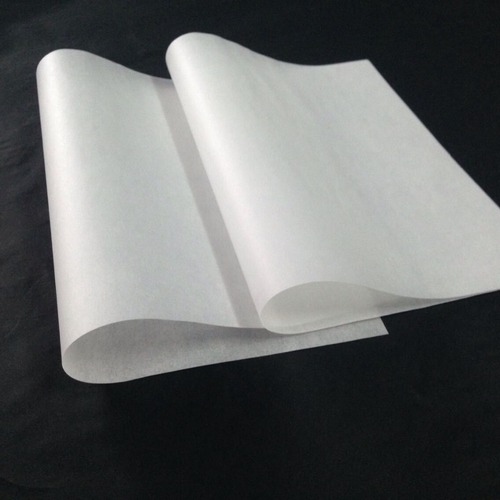
Mg White Sulphite Paper
Product Details:
- Material Kraft Paper
- Water Resistant NO
- Size 841 x 1189 mm (33.1 x 46.8 Inch)
- Feature Moisture Proof
- Color Multicolor
- Features 1) WRAPPING 2) LAMINATION 3) POLY EXTRUSION COUTING 4) BASE PAPER FOR TURMERIC PAPER 5) BASE PAPER FOR SUBLIMATION 6) BASE PAPER FOR OVERLAY TISSUE 7) TEXTILE INSERSION 8) FRUIT WRAP 9) FOOD WRAP 10) SANDWICH WRAP 11) DEEP DYE 12) WAX COATING 13) INTERLEAVING
- Click to View more
X
Mg White Sulphite Paper Price And Quantity
- 15 Ton
Mg White Sulphite Paper Product Specifications
- Kraft Paper
- NO
- 1) WRAPPING 2) LAMINATION 3) POLY EXTRUSION COUTING 4) BASE PAPER FOR TURMERIC PAPER 5) BASE PAPER FOR SUBLIMATION 6) BASE PAPER FOR OVERLAY TISSUE 7) TEXTILE INSERSION 8) FRUIT WRAP 9) FOOD WRAP 10) SANDWICH WRAP 11) DEEP DYE 12) WAX COATING 13) INTERLEAVING
- 841 x 1189 mm (33.1 x 46.8 Inch)
- Moisture Proof
- Multicolor
Mg White Sulphite Paper Trade Information
- ANY INDIAN PORT
- Letter of Credit at Sight (Sight L/C), Telegraphic Transfer (T/T), Cash Against Delivery (CAD)
- 400 Ton Per Month
- Week
- Yes
- Free samples are available
- EXPORT WORTY NON-PALLETISE
- Australia, North America, Eastern Europe, Africa, Central America, Middle East, South America, Western Europe, Asia
- All India
- ISO 22000-2005
Product Description
Bagasse pulp based Mg White Sulphite Papers are available in 30 gsm to 80 gsm thickness range. Notable for their white and natural surface, such papers are perfect for food wrapping, paper bag making and wax coating application purpose. Standard of these papers conforms to ISO 22000-2005 norms. Offered in standard and custom made specifications, these Mg White Sulphite Papers have more than 90% whiteness. Tear resistant capacity of these papers is more than 59 mN. Back side of such papers is rough and their front side has glazed surface. High strength, homogeneous thickness level, Eco-friendly content and reasonable price are some key aspects of these papers.
Specifications
- Brightness 83 % ISO
- Grade A+
- Fiber Virgin Long Fiber
- Suitable for Food Wrapping , Sandwich Wrapping , Burger Wrap, Aluminium Foil Laminating, Poly Extrusion Coating, Wax Coating & Paper Bags
- Certification ISO 22000-2005 ( for Food Contact )
- Substance Range - 30 Gsm To 80 Gsm
- Supplied in Customised Reel & Sheet Size
Wide Range of Applications
MG White Sulphite Paper finds utility in an array of industries, serving as a reliable choice for wrapping, lamination, food and fruit packaging, sandwich wraps, wax and deep dye coating, overlay tissue, textile insertion, and base paper for processes like sublimation and turmeric paper. Its adaptability makes it a preferred specialty paper among manufacturers and exporters.
Superior Moisture Protection
This paper features moisture-proof capabilities, safeguarding packaged goods against humidity and environmental dampness. Though not water-resistant, it provides an effective barrier for products ranging from textiles to foods, maintaining freshness and quality during handling and storage.
Sustainable Material Composition
Constructed from kraft paper and bagasse pulp, MG White Sulphite Paper supports eco-friendliness and resource efficiency. The use of renewable bagasse pulp, derived from sugarcane, adds to its appeal for manufacturers focused on sustainability, while ensuring robust mechanical strength for demanding applications.
FAQs of Mg White Sulphite Paper:
Q: How is MG White Sulphite Paper typically used across industries?
A: MG White Sulphite Paper is used in wrapping, lamination, and food packaging such as sandwich, fruit, and deep dye wraps. It also serves as base paper for turmeric, sublimation, and overlay tissue, alongside applications in wax coating, poly extrusion coating, and textile insertion.Q: What makes this specialty paper suitable for food and textile purposes?
A: Its moisture-proof feature helps protect contents from humidity, making it ideal for food and textile packaging. Additionally, its diverse grades (3080 gsm) and safe, natural pulp composition provide versatile options for different packaging and processing needs.Q: When should I choose MG White Sulphite Paper over regular wrapping paper?
A: Opt for MG White Sulphite Paper when you require specialty functions such as enhanced moisture protection, compatibility with wax or poly coatings, or use as base paper in dyeing, sublimation, and lamination processes. Its tailored attributes meet more complex packaging requirements than standard wrapping papers.Q: Where is MG White Sulphite Paper manufactured and supplied?
A: MG White Sulphite Paper is manufactured, distributed, exported, and supplied throughout India by a network of producers, distributors, exporters, and traders specializing in specialty paper products.Q: What is the process behind producing MG White Sulphite Paper?
A: The paper is made using kraft paper and bagasse pulp, processed and finished with specialty coatings or treatments such as lamination, poly extrusion, or wax coating, depending on the end-use application. It is offered in various sizes, colors, and paper weights.Q: What benefits does this paper offer for packaging and wrapping?
A: Benefits include superior moisture proofing (though not water resistance), a range of weights and sizes, sustainable material composition, and adaptability for food, textile, and industrial applications. It helps preserve product quality and suits processes like deep dyeing and interleaving.Tell us about your requirement

Price:
Quantity
Select Unit
- 50
- 100
- 200
- 250
- 500
- 1000+
Additional detail
Mobile number
Email

Other Products in 'Bleached Kraft Paper' category


Contact Details
SACCHA EXPORTS
GST : 27AEGPD4992Q1ZS
GST : 27AEGPD4992Q1ZS

- B-202, Hareshwar Apartment, P.G Road, Somwari Bazar, Malad West, Mumbai - 400064, Maharashtra, India
- Phone :08045477635
-
 Send Inquiry
 Send Inquiry
- Mr Rahul H Shah (MD)
- Mobile : 08045477635
- Mr. Mitesh S Gala (Domestic Manager)
- Mr. Pankaj Jadhav (Export Manager)
- Mobile : 08045477635




|

 |
NAVKAR INTERNATIONAL
All Rights Reserved.(Terms of Use) Developed and Managed by Infocom Network Private Limited. |
